
Earth science
The history of the Earth
4.567 billion years, from the birth of the planet to today. Scroll down through fifteen chapters of Earth’s history: what happened, what was going on in Kazakhstan, and which exhibits in our hall date from that time.
- 4.567 billion years of history
- 15 chapters
- 5 great extinctions
- In the museum collection
Eon4.567 billion years ago — 4.031 billion years ago1
Hadean
The birth of the Earth and the Moon
- Nearly all meteorites are fragments of asteroids; their oldest material formed about 4.567 billion years ago, as the Solar System was born. 34
- The Moon most likely formed from the debris of a collision between the young Earth and a large body, perhaps the size of Mars. 56
- The oldest known mineral from Earth is a zircon from the Jack Hills in Western Australia, about 4.4 billion years old. 2
In our hall
Eon4.031 billion years ago — 2.5 billion years ago1
Archean
The first rocks and the first life
Eon2.5 billion years ago — 538.8 million years ago1
Proterozoic
Oxygen, iron and ice
- The Great Oxidation Event, the first significant build-up of oxygen in the atmosphere, began 2.46–2.43 billion years ago. 10
- Most of the world’s iron ore lies in banded iron formations, many of which formed 3.5–1.8 billion years ago. 11
- In the Cryogenian, about 720–635 million years ago, ice sheets reached sea level at every latitude, even in the tropics — “Snowball Earth”. 12
- The Ediacaran biota includes some of the first large, complex multicellular organisms; the oldest finds are about 574 million years old (Newfoundland). 13
Minerals of this time in our catalogue
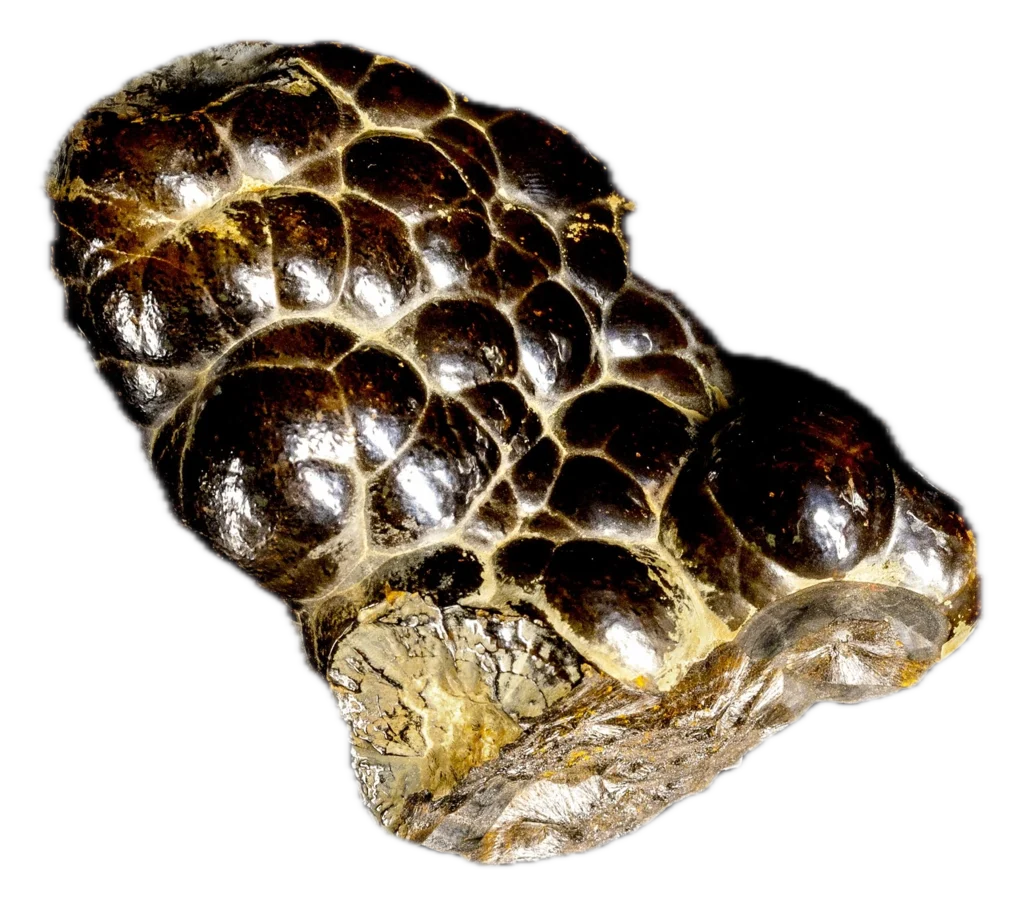
Banded iron formations are mostly hematite with magnetite and goethite, in layers with jasper or quartz.14
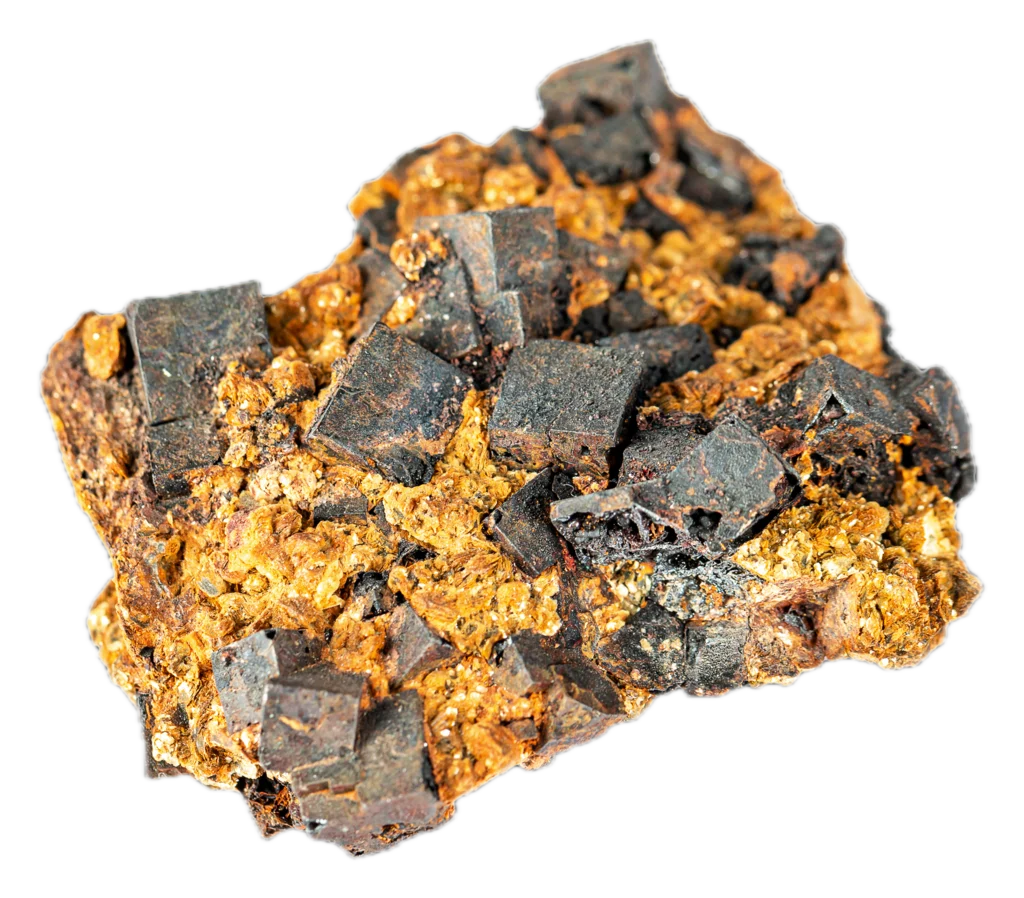
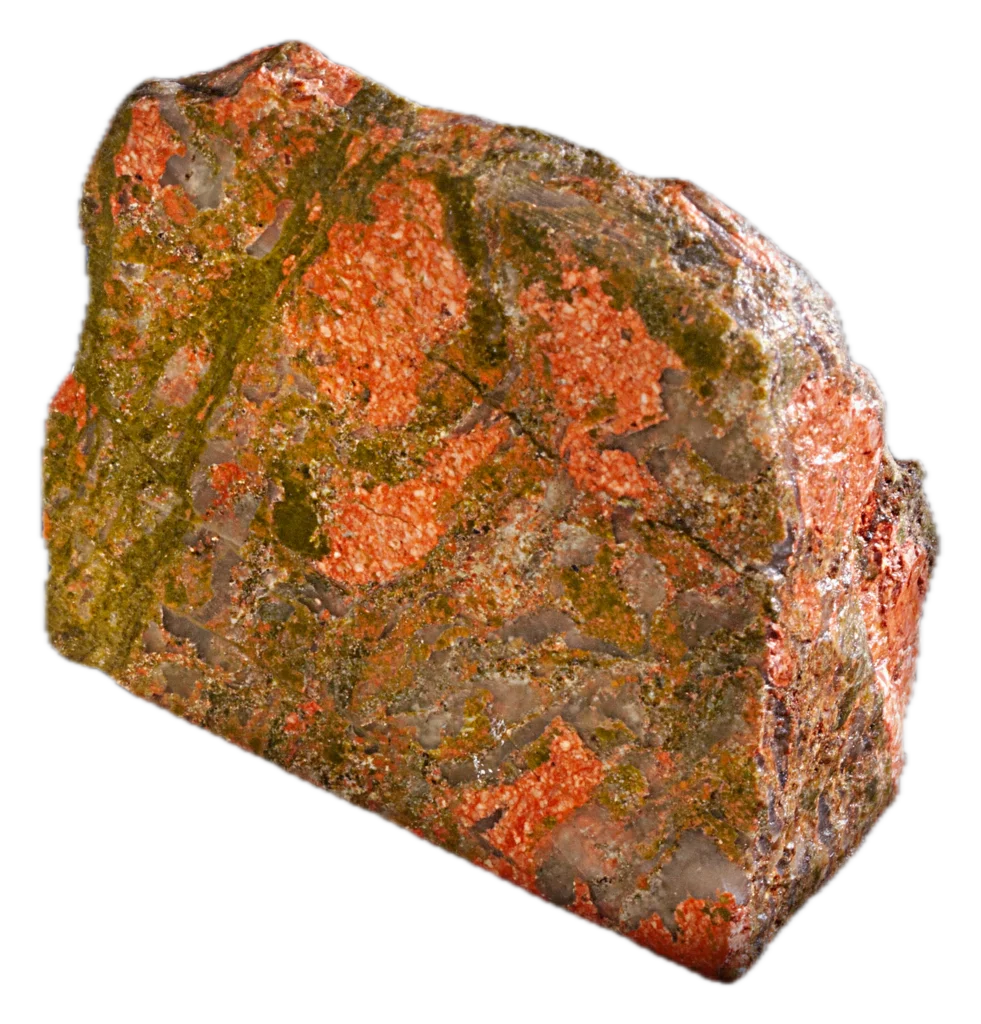
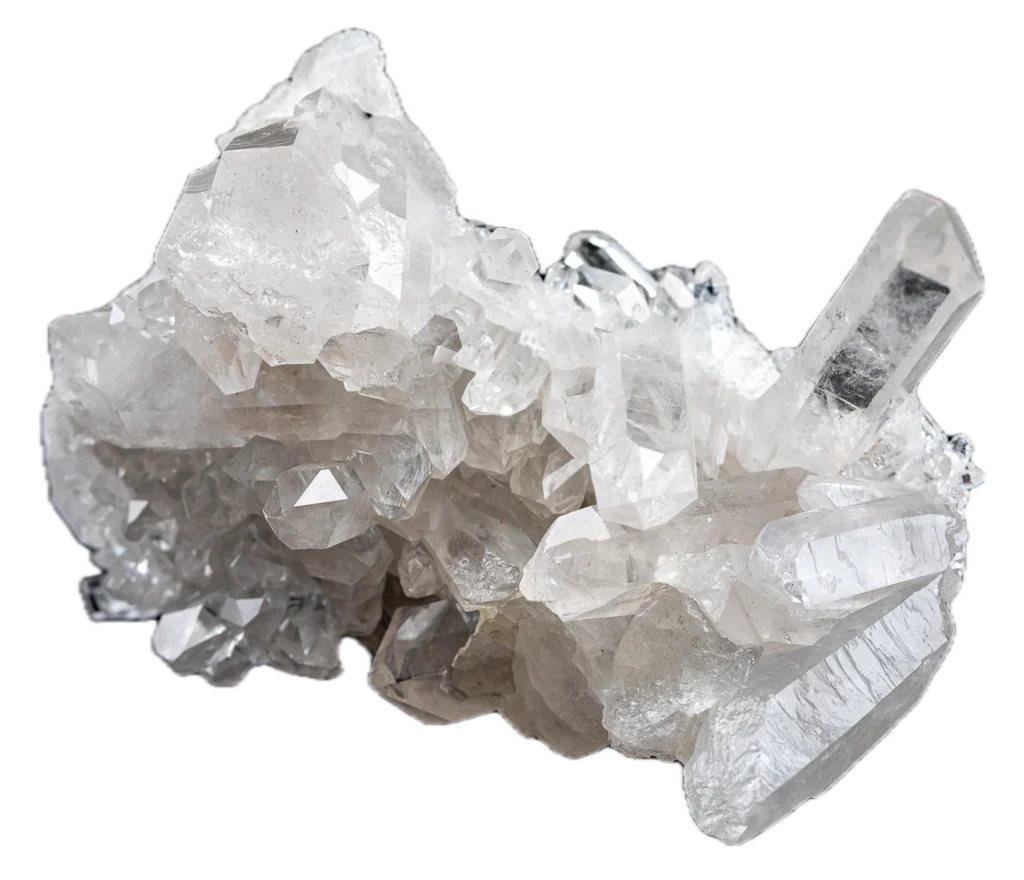
Period538.8 million years ago — 486.9 million years ago1
Cambrian
An explosion of life in the seas
- The “Cambrian explosion”: early in the Cambrian, within roughly 10–20 million years, many major animal groups appeared. 1516
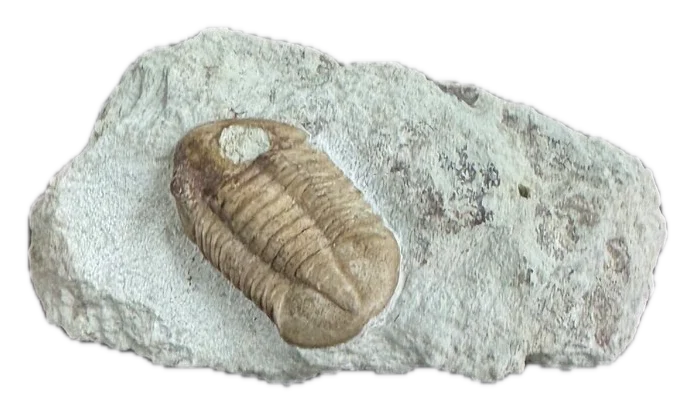
- Trilobites appeared about 521 million years ago and died out at the end of the Permian. 1617
Period486.9 million years ago — 443.1 million years ago1
Ordovician
Seas full of life; plants reach the land
Period443.1 million years ago — 419.6 million years ago1
Silurian
The first vascular plants and jawed fishes
Period419.6 million years ago — 358.9 million years ago1
Devonian
The Age of Fishes and the first forests
- The Devonian is called the “Age of Fishes” for the many kinds of fish in its seas. 29
- The oldest known fossil forest, about 390 million years old, was found in south-west England. 30
- Tiktaalik, a fish with features of four-legged animals, lived about 375 million years ago in Arctic Canada. 2728
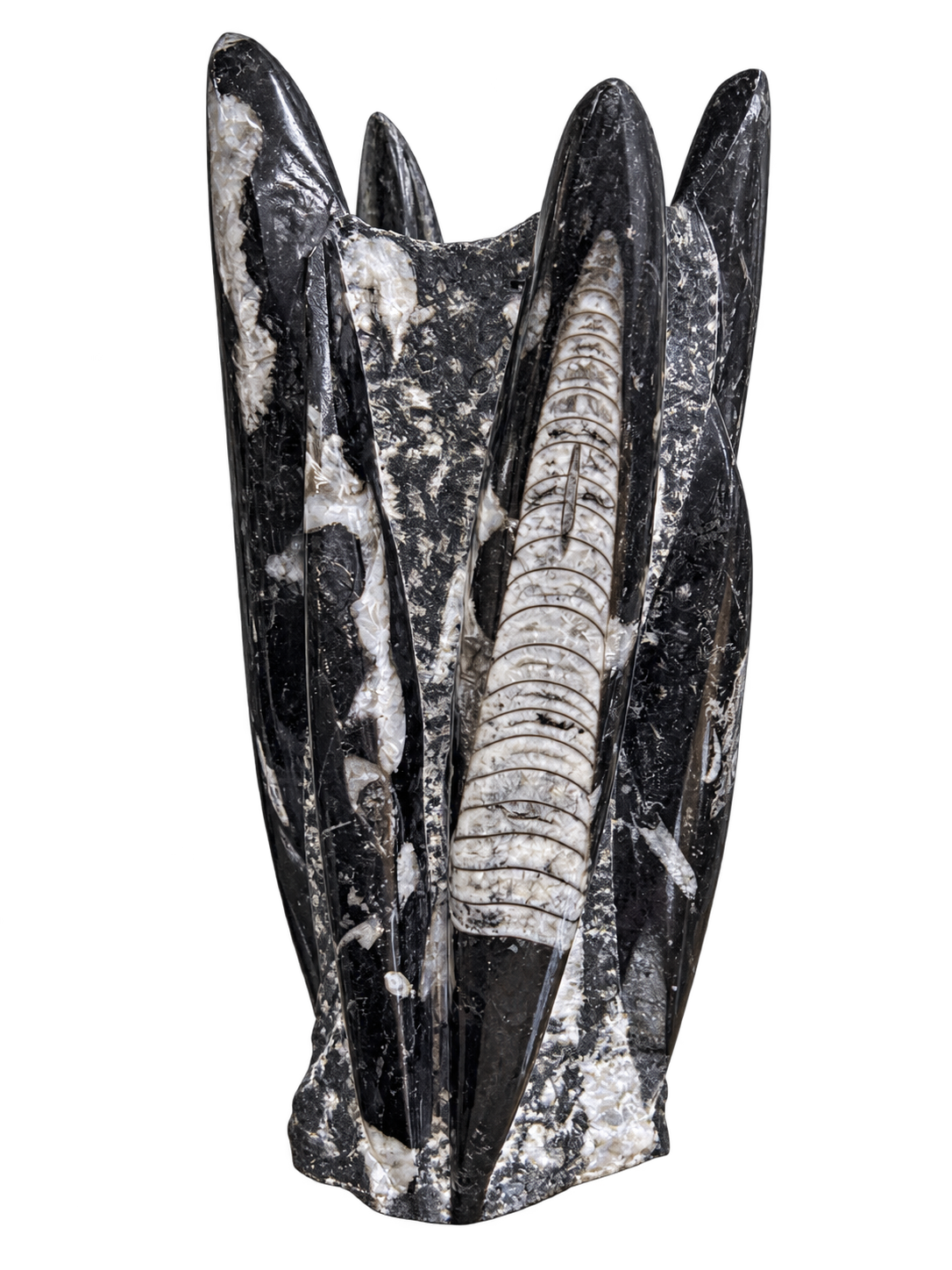
In our hall
Period358.9 million years ago — 298.9 million years ago1
Carboniferous
The forests that became coal
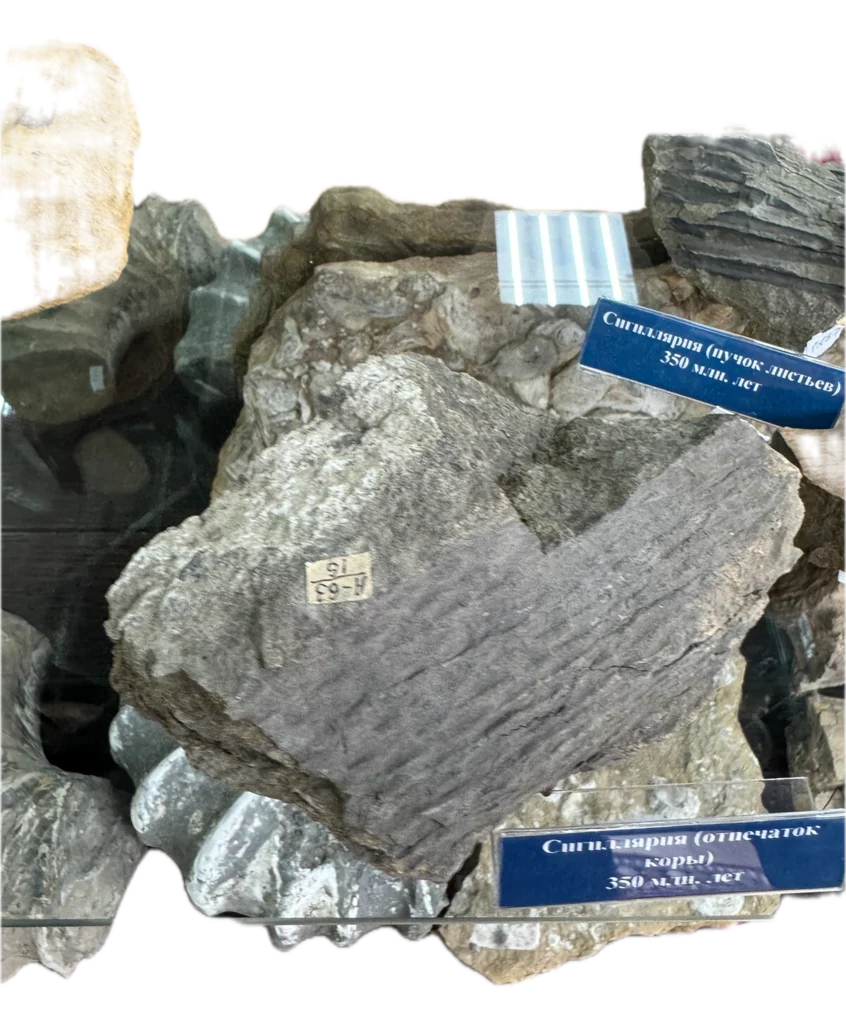
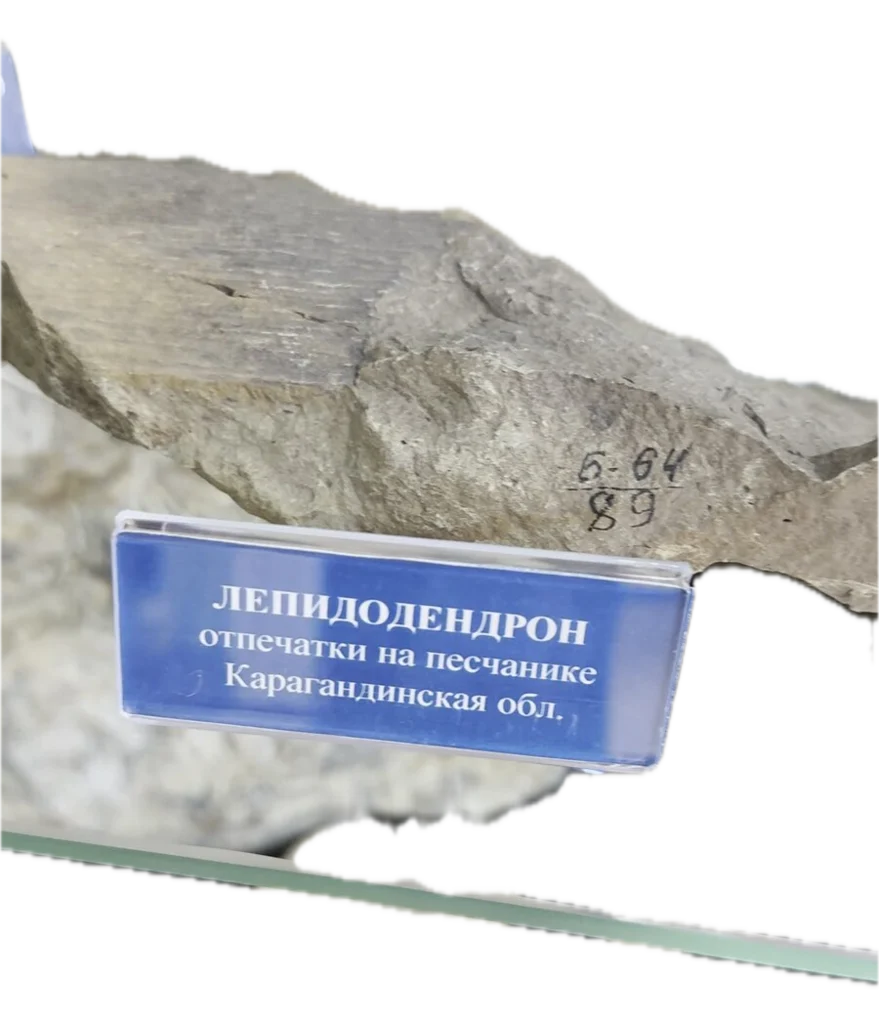
- Carboniferous swamps were dominated by tree-sized club mosses — Lepidodendron and Sigillaria — and Calamites; coal formed mainly from the club mosses. 35
- The wingspan of Meganeura, a giant relative of dragonflies, reached about 70 cm. 34
- The oldest reptiles, such as Hylonomus from Nova Scotia, lived about 316–313 million years ago. 36
In our hall
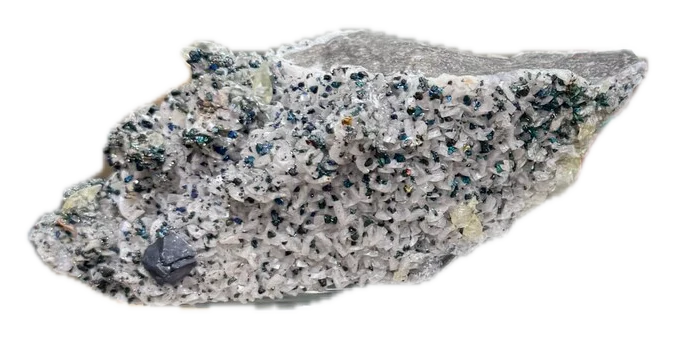
Period298.9 million years ago — 251.9 million years ago1
Permian
Pangaea and the Great Dying
- By the start of the Permian most of the land had joined into the supercontinent Pangaea. 42
- The period is named after the Perm Governorate: Roderick Murchison defined the Permian System in 1841. 43
Minerals of this time in our catalogue
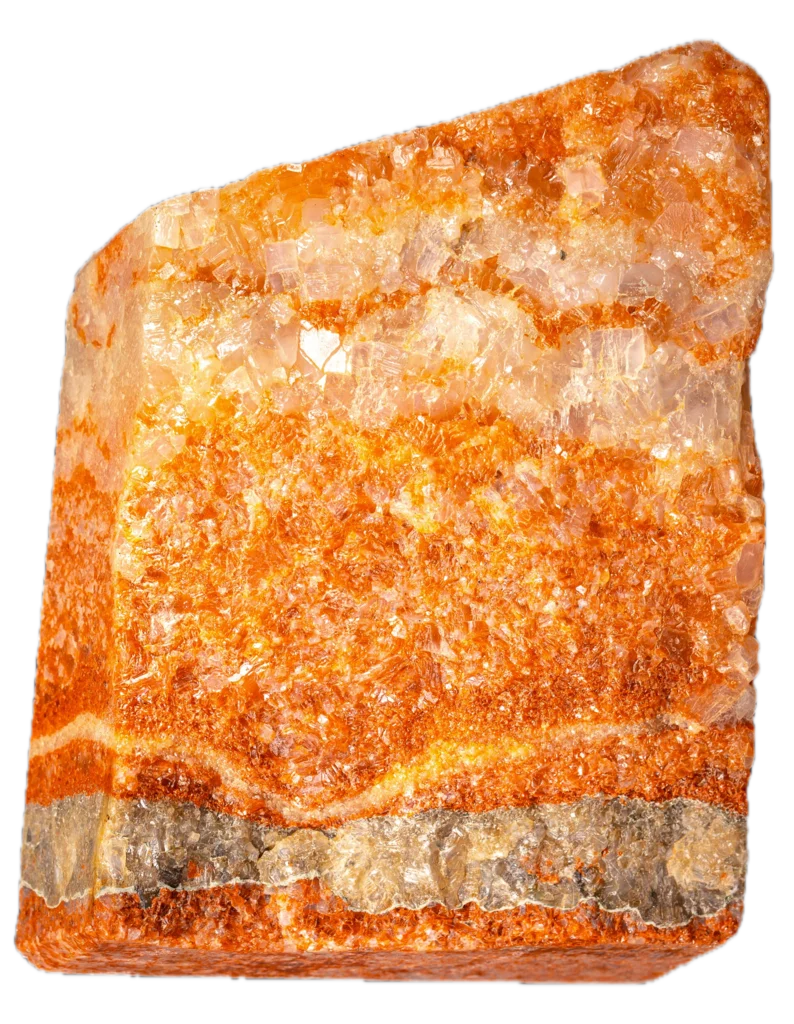
The Permian salt of the Upper Kama deposit is rock salt, sylvinite and carnallite.44
Period251.9 million years ago — 201.4 million years ago1
Triassic
The first dinosaurs and mammals
- The earliest dinosaurs lived about 230 million years ago, in the Late Triassic, in what is now Argentina. 47
- The first mammals in the broad sense appeared in the Late Triassic, about 225 million years ago. 48
Period201.4 million years ago — 143.1 million years ago1
Jurassic
The age of giants
- In the Jurassic, dinosaurs were the dominant land animals. 51
- Pangaea was breaking apart: the central Atlantic Ocean began to open about 190 million years ago. 50
- Archaeopteryx, one of the earliest known birds, lived 149–145 million years ago in what is now Germany. 52
In our hall
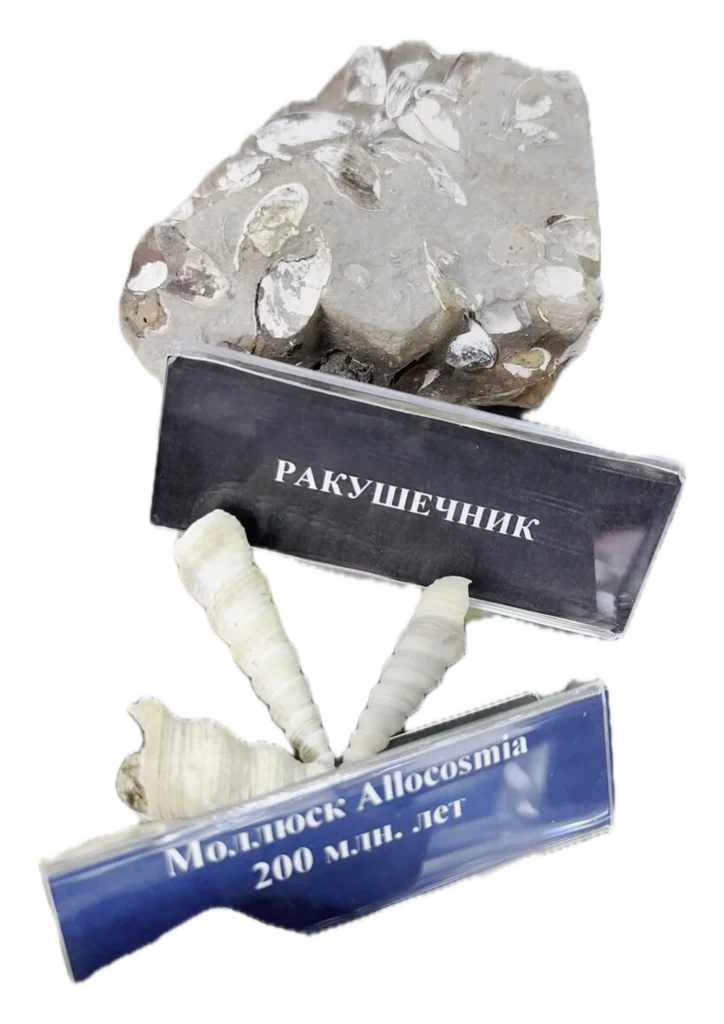 Моллюск Allocosmiaon the label: 200 million years
- УГОЛЬShubarkol: Jurassic coal55
 АММОНИТammonoids lived in the seas from the Devonian to the end of the Cretaceous56
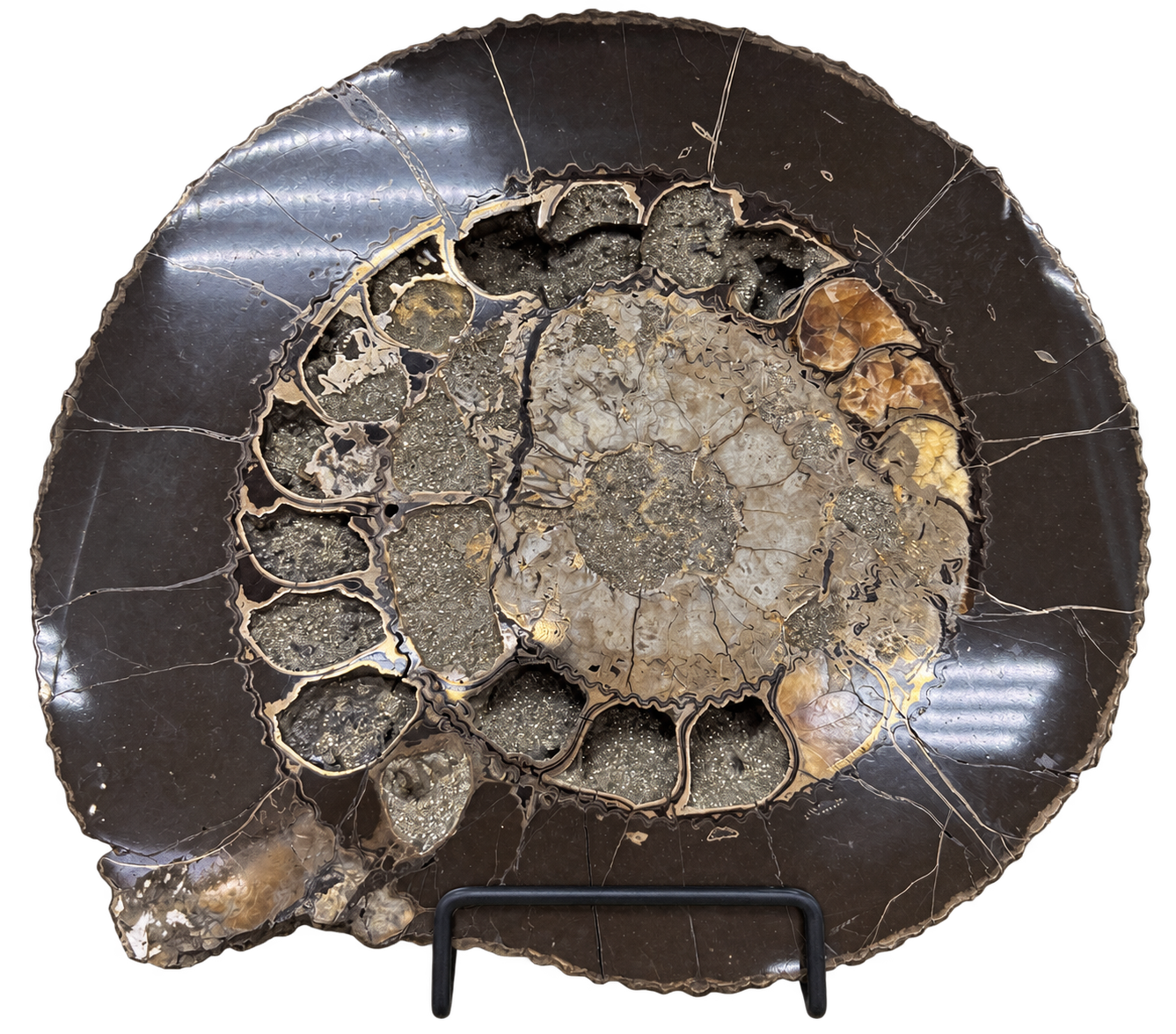 АММОНИТammonoids lived in the seas from the Devonian to the end of the Cretaceous56
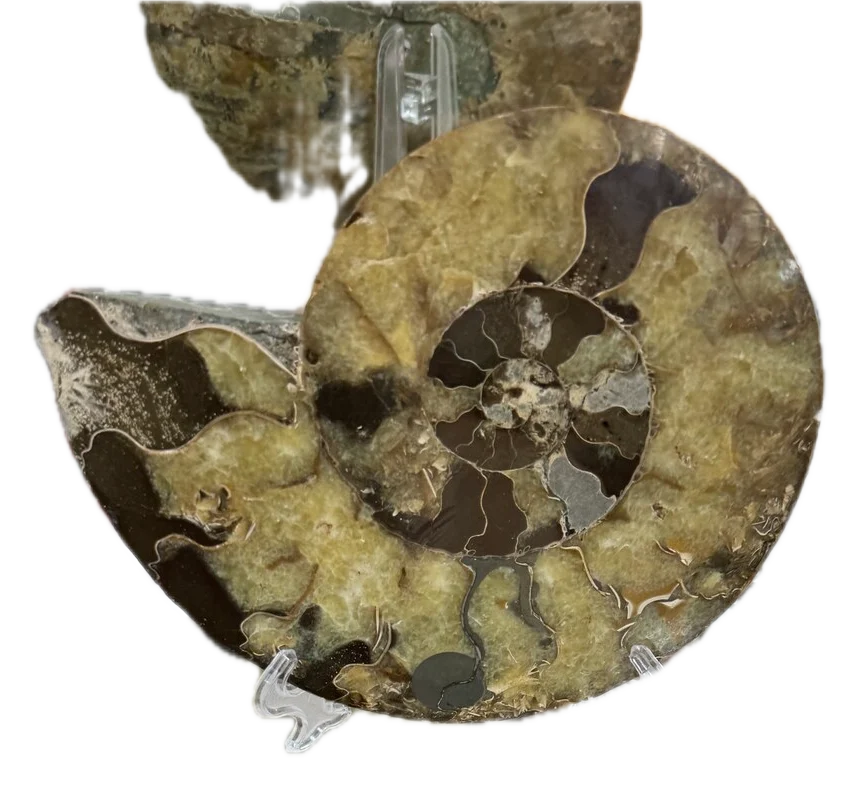 АММОНИТЫammonoids lived in the seas from the Devonian to the end of the Cretaceous56
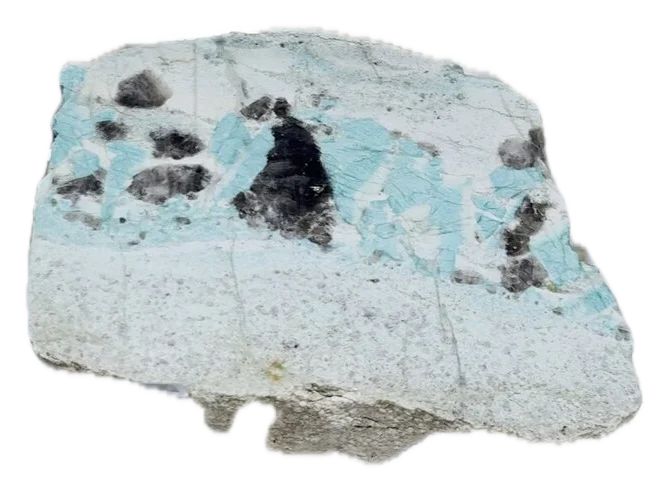 АММОНИТЫammonoids lived in the seas from the Devonian to the end of the Cretaceous56
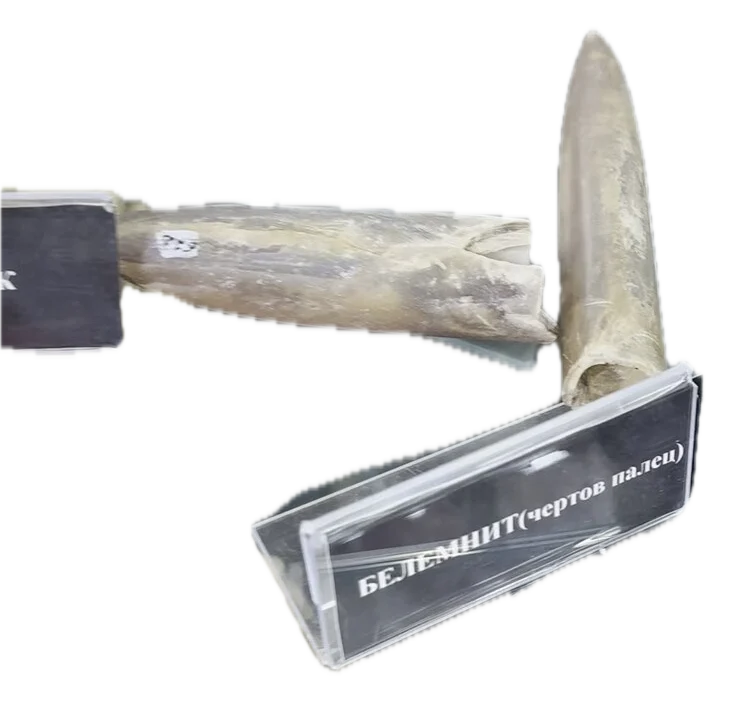 БЕЛЕМНИТ (чертов палец)belemnites: relatives of squid, at their height in the Jurassic and Cretaceous57
- БЕЛЕМНИТbelemnites: relatives of squid, at their height in the Jurassic and Cretaceous57
Period143.1 million years ago — 66 million years ago1
Cretaceous
Flowers, chalk and an asteroid
- Flowering plants are reliably known from the Early Cretaceous: their pollen appears about 137–133 million years ago. 6061
- Chalk is made mostly of coccoliths — the calcite plates of microscopic algae — and foraminifera shells; the period’s name comes from Latin creta, “chalk”. 6263
Minerals of this time in our catalogue
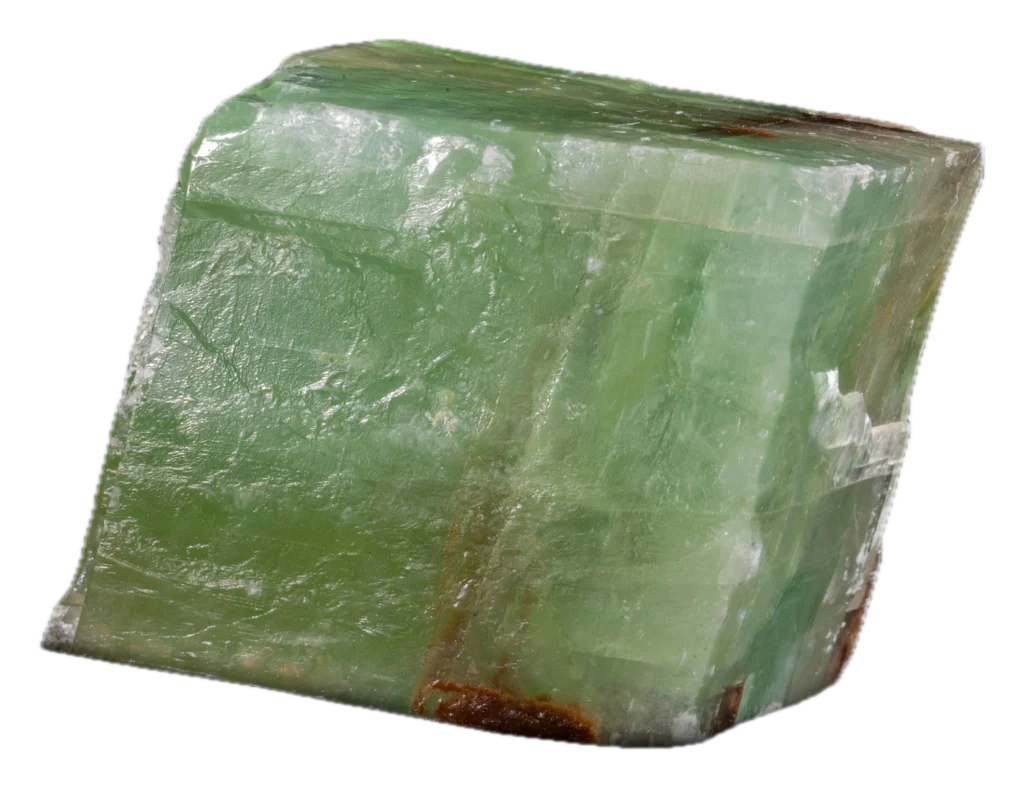
The purest chalk is almost entirely calcite — up to 99%.63
Period66 million years ago — 23.04 million years ago1
Paleogene
The Age of Mammals
- After the dinosaurs died out, placental mammals rapidly diversified. 67
- About 59 million years ago India began to collide with Asia; by 56 million years ago the Himalayas were rising. 66
- The early Eocene, 56–48 million years ago, was far warmer than today; permanent Antarctic ice sheets appeared about 34 million years ago. 6869
Period23.04 million years ago — 2.58 million years ago1
Neogene
Grasslands and the first human ancestors
Period2.58 million years ago — today1
Quaternary
Ice ages and people
- In the Pleistocene, glaciations repeatedly alternated with warm interglacials. 76
- The oldest known remains of Homo sapiens, from Jebel Irhoud in Morocco, are about 315,000 years old. 75
- Woolly mammoths were animals of the ice age; on Wrangel Island the last of them were still living 7,000–4,000 years ago. 77
The Earth’s day
Let’s squeeze 4.567 billion years into a single day: midnight is the birth of the Earth, the next midnight is today. Pick an event and the hand will show what time it happened.
A walk through time in the hall
The exhibits in our hall, from the oldest to the youngest. Find each one in the hall and tick it off. Those you have already identified with the camera are ticked automatically.
- identified with the camera4.567 billion years ago
Hadean
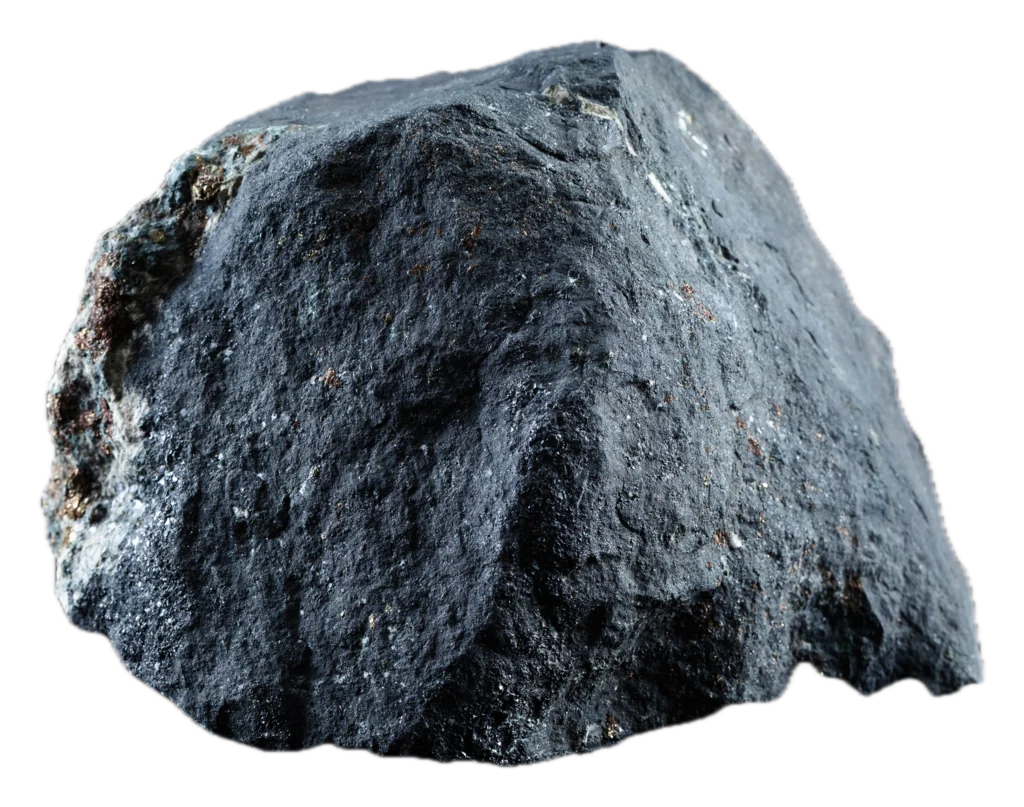
СИХОТЕ- АЛИНСКИЙ МЕТЕОРИТa meteorite: material of the early Solar System34
Where it stands: In the museum collection
- identified with the camera4.567 billion years ago
Hadean
ЧЕЛЯБИНСКИЙ МЕТЕОРИТa meteorite: material of the early Solar System34
Where it stands: In the museum collection
- identified with the camera2.7 billion years ago
Archean
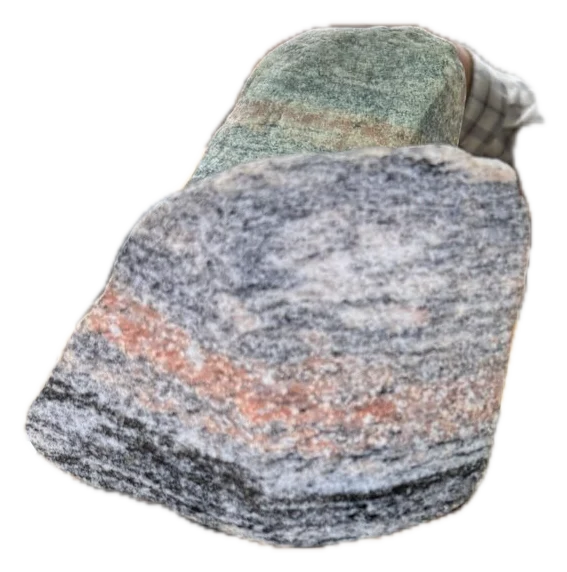
ГНЕЙС САРХЕЙ 2,7 МЛРД ЛЕТ, О. КОСТЬЯНon the label: 2.7 billion years
Where it stands: In the museum collection
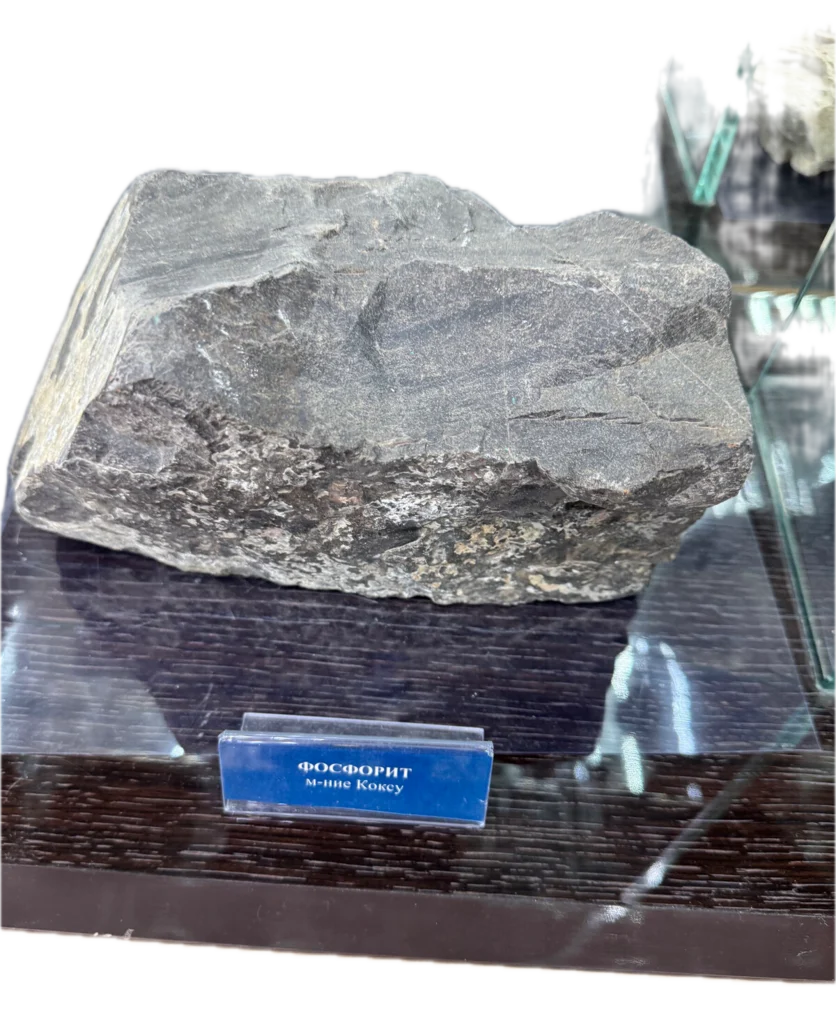
- identified with the camera525 million years ago
Cambrian
ФОСФОРИТKoksu, a Karatau phosphorite deposit: Early Cambrian18
Where it stands: In the museum collection
- identified with the camera470 million years ago
Ordovician
ТРИЛОБИТthe Volkhov area: Ordovician layers rich in trilobites2122
Where it stands: In the museum collection
- identified with the camera410 million years ago
Devonian
Брахиопода spirifeeron the label: 410 million years
Where it stands: In the museum collection
- identified with the camera396 million years ago
Devonian
ТРИЛОБИТan Early Devonian (Emsian) trilobite from Morocco32
Where it stands: In the museum collection
- identified with the camera350 million years ago
Carboniferous
Сигиллярия (отпечаток коры)on the label: 350 million years
Where it stands: In the museum collection
- identified with the camera330 million years ago
Carboniferous
ЛЕПИДОДЕНДРОНLepidodendron: a tree of the Carboniferous coal swamps35
Where it stands: In the museum collection
- identified with the camera310 million years ago
Carboniferous
БОРНИТZhezkazgan ores lie in Upper Carboniferous sandstones39
Where it stands: In the museum collection
- identified with the camera300 million years ago
Carboniferous
ДРЕВОВИДНЫЙ ХВОЩon the label: 300 million years
Where it stands: In the museum collection
- identified with the camera279 million years ago
Permian
КАЛИЙНАЯ СОЛЬthe Upper Kama deposit: Kungurian salt, Early Permian44
Where it stands: In the museum collection
- identified with the camera200 million years ago
- identified with the camera175 million years ago
- identified with the camera75 million years ago
Cretaceous
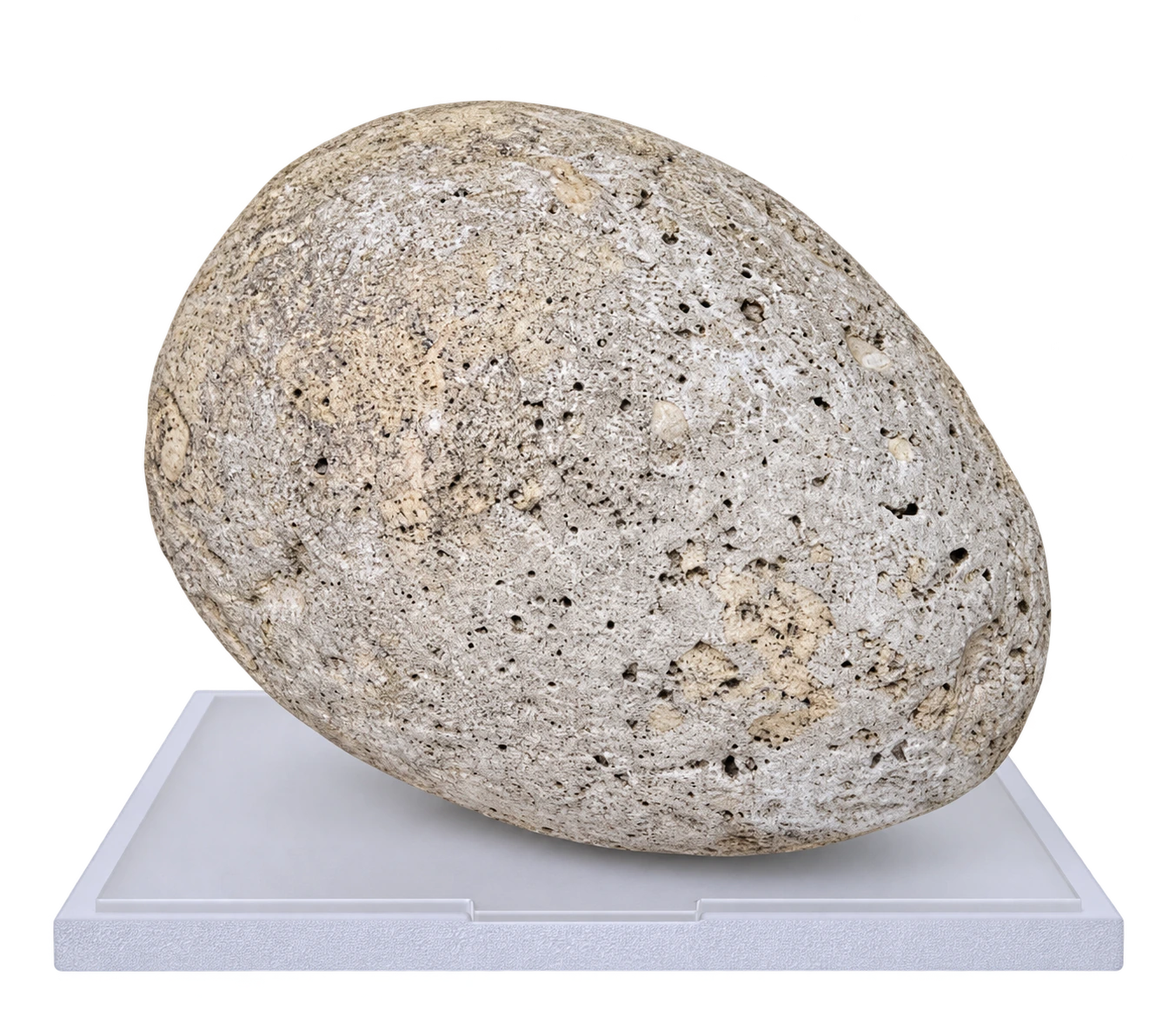
ЯЙЦО ДИНОЗАВРАGobi dinosaur egg clutches come from Late Cretaceous deposits65
Where it stands: In the museum collection
- identified with the camera10 million years ago
Neogene
ЗУБ АКУЛЫmegalodon died out about 3.6 million years ago74
Where it stands: In the museum collection
- identified with the camera50 thousand years ago
Quaternary
БИВЕНЬ МАМОНТАmammoths: animals of the ice ages7776
Where it stands: In the museum collection
- identified with the camera6 thousand years ago
Quaternary
Каменный нож эпоха неолитаon the label: 5th–4th millennium BC
Where it stands: In the museum collection
You have walked the whole way — from the oldest exhibit in the hall to what was only yesterday for the Earth.
What came first?
Two events — tap the one that happened first. Eight rounds.
Sources
Names, boundaries and colours of the chapters: the International Chronostratigraphic Chart (ICS). Every statement on this page carries the number of its source. “On the label” marks the museum’s own wording on the exhibit’s label.
- International Commission on Stratigraphy. International Chronostratigraphic Chart v2026/06, CC BY 4.0. Cohen K. et al. 2025. Episodes 48:105
- Wilde S.A. et al. 2001. Evidence from detrital zircons for the existence of continental crust and oceans on the Earth 4.4 Gyr ago. Nature 409:175
- Natural History Museum, London. Meteorites: windows into our solar system’s beginnings
- Connelly J.N. et al. 2012. The Absolute Chronology and Thermal Processing of Solids in the Solar Protoplanetary Disk. Science 338:651
- Canup R.M., Asphaug 2001. Origin of the Moon in a giant impact near the end of the Earth’s formation. Nature 412:708
- NASA Science. Moon Formation
- Allwood A.C. et al. 2006. Stromatolite reef from the Early Archaean era of Australia. Nature 441:714
- Djokic T. et al. 2017. Earliest signs of life on land preserved in ca. 3.5 Ga hot spring deposits. Nat Commun 8:15263
- Bowring S.A., Williams 1999. Priscoan (4.00-4.03 Ga) orthogneisses from northwestern Canada. Contributions to Mineralogy and Petrology 134:3
- Gumsley A.P. et al. 2017. Timing and tempo of the Great Oxidation Event. PNAS 114:1811
- CSIRO 2024. Banded iron formations: oceans, algae and iron oxide
- Hoffman P.F. et al. 2017. Snowball Earth climate dynamics and Cryogenian geology-geobiology. Sci. Adv. 3:e1600983
- Matthews J.J. et al. 2021. A Chronostratigraphic Framework for the Rise of the Ediacaran Macrobiota: New Constraints from Mistaken Point Ecological Reserve, Newfoundland. GSA Bulletin 133:612
- Encyclopaedia Britannica. Banded-iron formation (BIF)
- Encyclopaedia Britannica. Cambrian explosion
- Paterson J.R. et al. 2019. Trilobite evolutionary rates constrain the duration of the Cambrian explosion. PNAS 116:4394
- Encyclopaedia Britannica. Trilobite
- Кулешов В.Н. и др. 2020. Изотопный состав (δ13C, δ18O) и генезис карбонатов фосфоритовых месторождений Малого Каратау (Казахстан). Литология и полезные ископаемые, № 2:131
- Servais T. et al. 2009. Understanding the Great Ordovician Biodiversification Event (GOBE): Influences of paleogeography, paleoclimate, or paleoecology. GSA Today 19:4
- Rubinstein C.V. et al. 2010. Early Middle Ordovician evidence for land plants in Argentina (eastern Gondwana). New Phytologist 188:365
- Hansen T., Nielsen 2003. Upper Arenig trilobite biostratigraphy and sea-level changes at Lynna River near Volkhov, Russia. Bulletin of the Geological Society of Denmark 50:105
- Bergström S.M., Löfgren 2008. The base of the global Dapingian Stage (Ordovician) in Baltoscandia: conodonts, graptolites and unconformities. Earth and Environmental Science Transactions of the Royal Society of Edinburgh 99:189
- Raup D.M., Sepkoski 1982. Mass Extinctions in the Marine Fossil Record. Science 215:1501
- Sheehan P.M. 2001. The Late Ordovician Mass Extinction. Annu. Rev. Earth Planet. Sci. 29:331
- Edwards D., Feehan 1980. Records of Cooksonia-type sporangia from late Wenlock strata in Ireland. Nature 287:41
- Zhu Y.a. et al. 2022. The oldest complete jawed vertebrates from the early Silurian of China. Nature 609:954
- Daeschler E.B. et al. 2006. A Devonian tetrapod-like fish and the evolution of the tetrapod body plan. Nature 440:757
- Nature News, 5 April 2006. Fossil fish sheds light on the transition to land
- Encyclopaedia Britannica. Devonian Period
- Davies N.S. et al. 2024. Earth’s earliest forest: fossilized trees and vegetation-induced sedimentary structures from the Middle Devonian (Eifelian) Hangman Sandstone Formation, Somerset and Devon, SW England. Journal of the Geological Society 181:jgs2023-204
- Weber L.J. et al. 2003. Stratigraphy, Lithofacies, and Reservoir Distribution, Tengiz Field, Kazakhstan. SEPM Special Publication 78 (Permo-Carboniferous Carbonate Platforms and Reefs):351
- The Paleobiology Database. Hollardops: occurrences (after Chatterton et al. 2006)
- Percival L.M.E. et al. 2018. Precisely dating the Frasnian–Famennian boundary: implications for the cause of the Late Devonian mass extinction. Sci Rep 8:9578
- Nel A. et al. 2018. Palaeozoic giant dragonflies were hawker predators. Sci Rep 8:12141
- University of California Museum of Paleontology. Life of the Carboniferous
- Mann A. et al. 2019. Carbonodraco lundi gen. et sp. nov., the oldest parareptile, from Linton, Ohio, and new insights into the early radiation of reptiles. R. Soc. open sci. 6:191191
- Горная энциклопедия (М.: Советская энциклопедия, 1984–1991). Карагандинский угольный бассейн
- Горная энциклопедия. Экибастузский угольный бассейн
- Box S.E. et al. 2012. Dzhezkazgan and associated sandstone copper deposits of the Chu-Sarysu basin, central Kazakhstan. USGS Scientific Investigations Report 2010-5090-E
- Burgess S.D., Bowring 2015. High-precision geochronology confirms voluminous magmatism before, during, and after Earth’s most severe extinction. Sci. Adv. 1:e1500470
- Stanley S.M. 2016. Estimates of the magnitudes of major marine mass extinctions in earth history. PNAS 113:E6325
- University of California Museum of Paleontology. The Permian Period
- Большая советская энциклопедия. Пермская система
- Роснедра. 85 лет со дня открытия Верхнекамского месторождения солей
- Akhmetzhanov A. et al. 2020. Post-salt trapping mechanism of south-east Pre-Caspian and its application to petroleum exploration. J Petrol Explor Prod Technol 10:2645
- Burgess S.D. et al. 2014. High-precision timeline for Earth’s most severe extinction. PNAS 111:3316
- Martinez R.N. et al. 2011. A Basal Dinosaur from the Dawn of the Dinosaur Era in Southwestern Pangaea. Science 331:206
- Lucas S.G., Luo 1993. Adelobasileus from the Upper Triassic of West Texas: the oldest mammal. Journal of Vertebrate Paleontology 13:309
- Blackburn T.J. et al. 2013. Zircon U-Pb Geochronology Links the End-Triassic Extinction with the Central Atlantic Magmatic Province. Science 340:941
- Labails C. et al. 2010. An alternative early opening scenario for the Central Atlantic Ocean. Earth and Planetary Science Letters 297:355
- University of California Museum of Paleontology. The Jurassic Period
- Natural History Museum, London. Dino Directory: Archaeopteryx
- Averianov A. et al. 2015. The paleoenvironments of azhdarchid pterosaurs localities in the Late Cretaceous of Kazakhstan. ZooKeys 483:59
- Unwin D.M., Bakhurina 1994. Sordes pilosus and the nature of the pterosaur flight apparatus. Nature 371:62
- Горная энциклопедия. Шубаркольское месторождение
- Encyclopaedia Britannica. Ammonoid
- Encyclopaedia Britannica. Belemnoid
- Schulte P. et al. 2010. The Chicxulub Asteroid Impact and Mass Extinction at the Cretaceous-Paleogene Boundary. Science 327:1214
- Renne P.R. et al. 2013. Time Scales of Critical Events Around the Cretaceous-Paleogene Boundary. Science 339:684
- Herendeen P.S. et al. 2017. Palaeobotanical redux: revisiting the age of the angiosperms. Nature Plants 3:17015
- Coiro M. et al. 2019. How deep is the conflict between molecular and fossil evidence on the age of angiosperms? New Phytologist 223:83
- Surlyk F., Johansen 1984. End-Cretaceous Brachiopod Extinctions in the Chalk of Denmark. Science 223:1174
- Encyclopaedia Britannica. Chalk
- The Paleobiology Database. Aralosaurus tuberiferus Rozhdestvensky 1968: occurrences
- Norell M.A. et al. 1995. A nesting dinosaur. Nature 378:774
- Hu X. et al. 2016. The timing of India-Asia collision onset – Facts, theories, controversies. Earth-Science Reviews 160:264
- O’Leary M.A. et al. 2013. The Placental Mammal Ancestor and the Post–K-Pg Radiation of Placentals. Science 339:662
- Hollis C.J. et al. 2019. The DeepMIP contribution to PMIP4: methodologies for selection, compilation and analysis of latest Paleocene and early Eocene climate proxy data, incorporating version 0.1 of the DeepMIP database. Geosci. Model Dev. 12:3149
- Coxall H.K. et al. 2005. Rapid stepwise onset of Antarctic glaciation and deeper calcite compensation in the Pacific Ocean. Nature 433:53
- Deng T. et al. 2021. An Oligocene giant rhino provides insights into Paraceratherium evolution. Commun Biol 4:639
- Brunet M. et al. 2002. A new hominid from the Upper Miocene of Chad, Central Africa. Nature 418:145
- Lebatard A.E. et al. 2008. Cosmogenic nuclide dating of Sahelanthropus tchadensis and Australopithecus bahrelghazali: Mio-Pliocene hominids from Chad. PNAS 105:3226
- Edwards E.J. et al. 2010. The origins of C4 grasslands: integrating evolutionary and ecosystem science. Science 328:587
- Boessenecker R.W. et al. 2019. The Early Pliocene extinction of the mega-toothed shark Otodus megalodon: a view from the eastern North Pacific. PeerJ 7:e6088
- Hublin J.J. et al. 2017. New fossils from Jebel Irhoud, Morocco and the pan-African origin of Homo sapiens. Nature 546:289
- University of California Museum of Paleontology. The Pleistocene Epoch
- Vartanyan S.L. et al. 1993. Holocene dwarf mammoths from Wrangel Island in the Siberian Arctic. Nature 362:337
- Astana Venue Management. Астана Байтерек: технические данные